I Am The 3D
A song of tech, media, and celebrity racism

This song has a long history, starting several decades back. The initial idea for it came out of the experience of being stared at, being an object of continual observation, while living and traveling in Asia in the 1990s. It eventually evolved to include ideas about identity, celebrity, technology, and consumer culture. But it started with being gawked at.
Backpacker’s dream: by boat, horse, bus
I was on a six-month backpacking trip through Southeast Asia, and was spending some time traveling through Cambodia, and into Vietnam, which had just normalized relations with the US. (When I had to get a new passport because my old one was full of stamps, I got it at the new US Embassy in Hanoi, which had been open for just two weeks.)
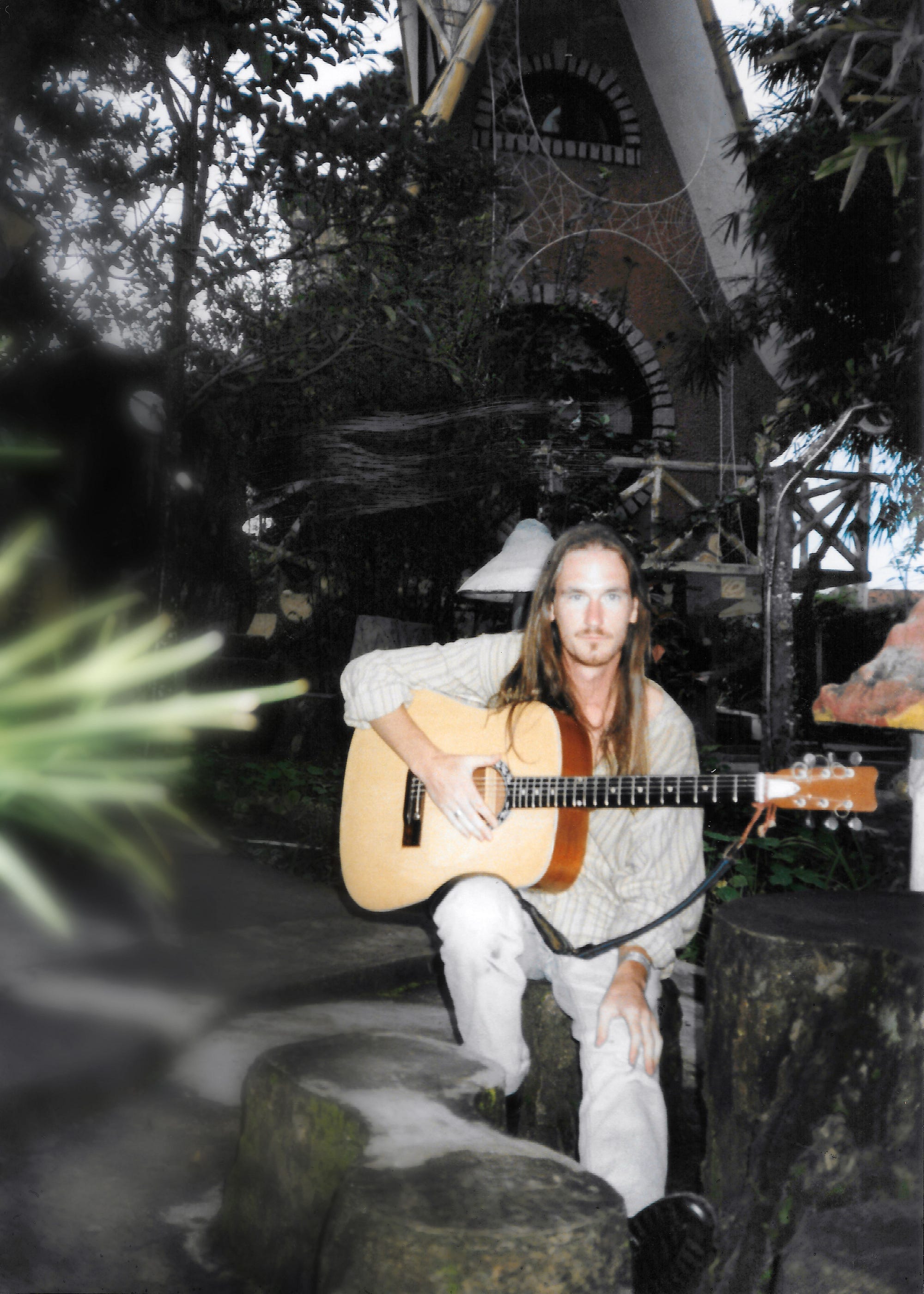
As a white person, I stuck out like a sore thumb, and was an endless source of entertainment and curiosity to the locals. And as you can see by the pictures of me during that era, I wasn’t exactly trying to blend.
This effect was magnified when I was in places like Cambodia which were frankly not totally safe for Westerners, or when I made puzzling choices like taking the local bus in Vietnam (out of a romantic notion of seeing more of the ‘real Vietnam’). Thus I ended up around a lot of people who had actually never seen a white person up close before.
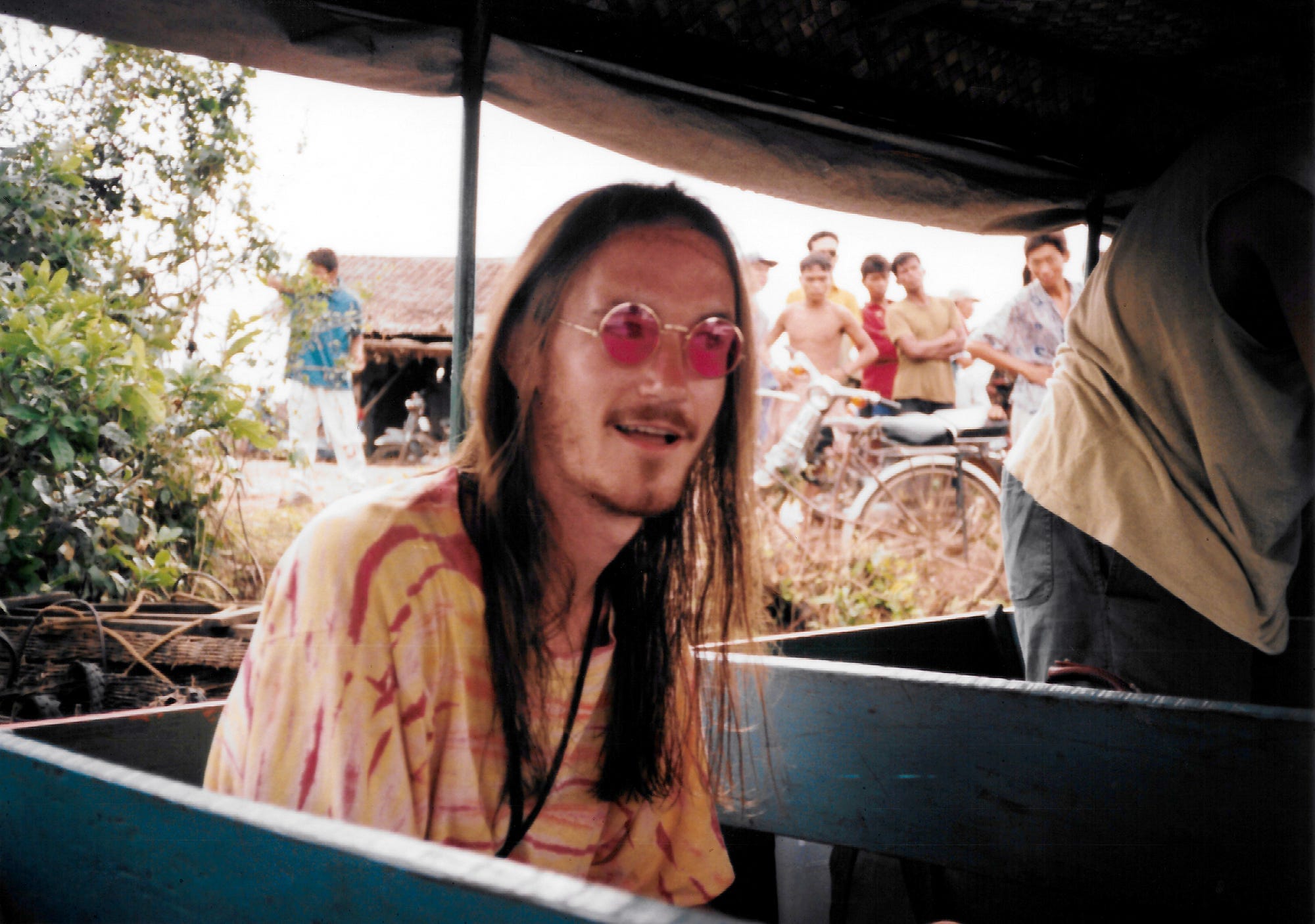


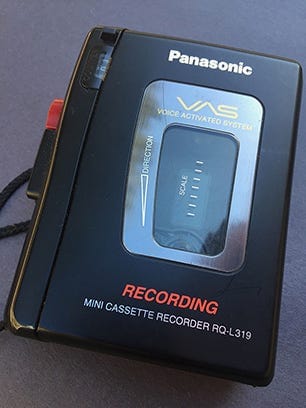
My electronic devices were a huge point of interest on that local bus. At that time, I was continuously using a hand-held tape recorder, taping letters to my friends back home. Understandable that this was a little weird to them: the long-haired foreign dude on the local bus, talking constantly into a little box.
I also had a Walkman-style cassette player with earphones (a very cheap one; likely bought at the Khao San Road tourist-trap in Bangkok), and I ended up with a steady parade of Vietnamese folks traipsing to the back of the bus, grinning, and pantomiming ‘earphones,’ to see if they could get a turn listening to music on them.

What seemed charming the first two or three times rapidly became mildly annoying, then ongoingly infuriating. They had me completely trapped in the back of the bus, and I couldn’t just end the interaction by walking away. I was on a local bus route, riding (perhaps ‘riding’ is a charitable description — jostling, veering, bouncing, getting some serious air on the big bumps — that might be more accurate) through the Vietnamese countryside.
Listening now to the audio-letter I was recording to my friend while on that bus, I sound like a colossal asshole, complaining about all the unwanted attention from the locals.
Celebrity racism
It was like a crazy, hyped-up version of the attention I was already used to from living in Japan. I spent three years living out in the sticks there (in Kumamoto prefecture, out in Aso), as a participant on the JET Program — a Japanese government program that puts foreign teachers into their public schools.
I was already used to the pointing, the staring, the shouting at me from across the street: “Halo! Nice to meet you!” Older people using whatever English they could remember from school: “This is a pen!” (Yes, this actually happened. Multiple times.) Or children shouting in surprise, pointing me out to their mom: “Okaasan, hora! Gaijin da!” (“Look, Mom! It’s a foreigner!”)
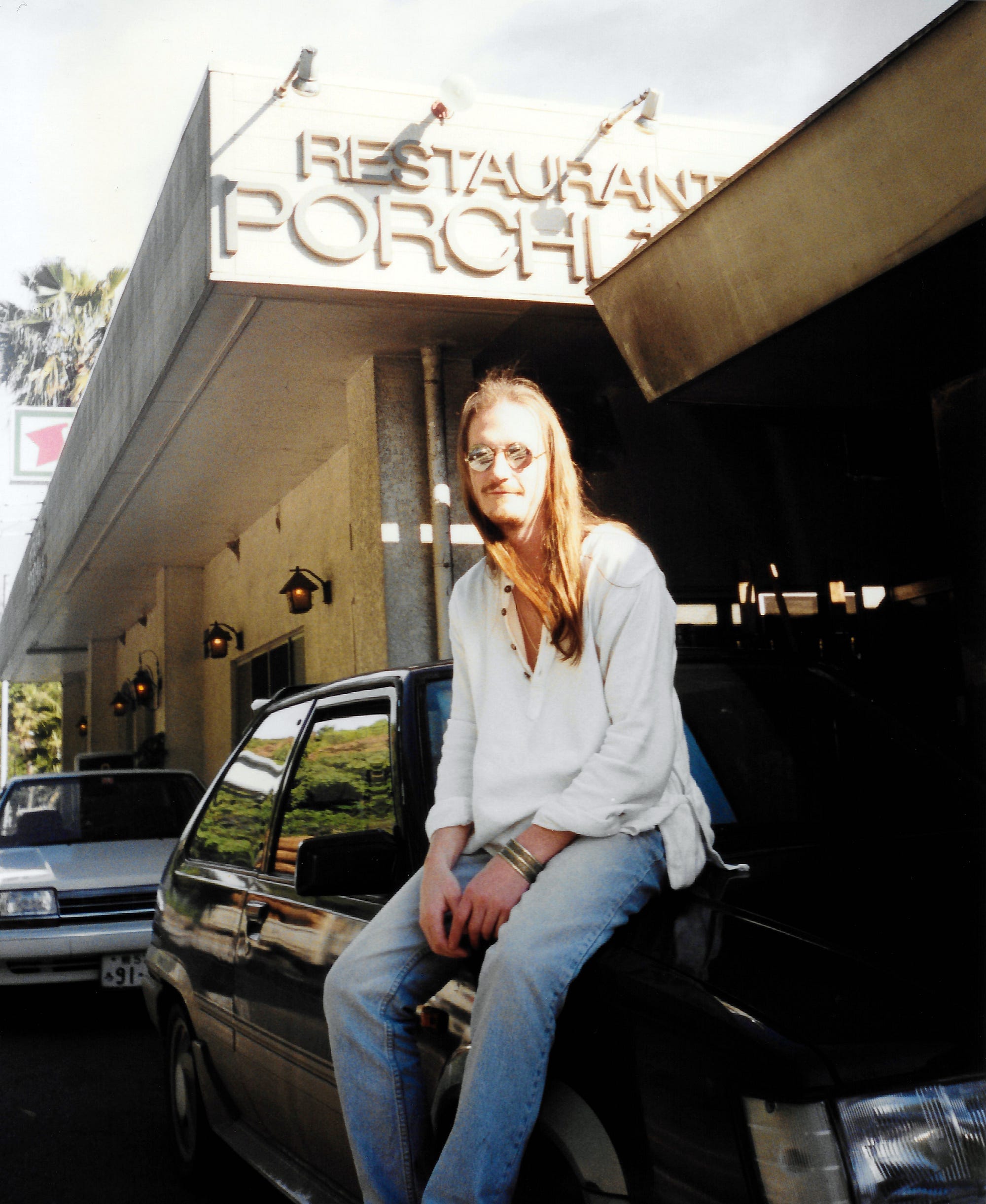
Japan was (and still is) a very homogeneous country, with very few minorities (people of Korean ethnicity, the aboriginal Ainu, and the buraku, who are not even a different ethnicity; they’re the remnants of a caste), and thus we non-Asians were not just minorities, we were minority-minorities. There were precisely three other foreign people in my little town, and two of them were other JET teachers.
Beyond the overt shouting and pointing, there was tons of background-radiation racism I encountered each and every day: cabbies that won’t pick you up, people that won’t sit in the seat next to you on the bus, and girlfriends who tell you they can’t be seen with you in public.
But all this usually came with a freaky twist of celebrity status. For a lot of people there, the only non-Asian people they had ever seen were the ones in the omni-present American TV shows and movies — and this fact inexplicably conveyed a sort of star-status on me. When Japanese folks said (over and over, as they did) to foreign guys, “you look like Tom Cruise,” what they really meant was “you look like the people I’ve seen on TV.”
The performance of a lifetime (apple-consumption edition)
Back to Vietnam. I was already used to being a curiosity, being looked at, but what I experienced in Cambodia, Vietnam, and many of my other backpacking destinations was on a whole different level.
One particular memory stands out: I was sitting on a curb in Saigon, eating an apple, and when I looked up, I saw that a small crowd of people had gathered to watch. Yes, a crowd of people. Watching me eat an apple. It was totally mystifying: a crowd of around 20 people, gaping at me, fascinated, as I did the most mundane possible thing in the world.

Here’s how I verbalized it on one of the tape-letters: “The shameless staring here is a totally different level. It’s like they’re watching TV or something.
There’s the kernel of the idea. The first version of the song used the lyric “I am the TV, and everybody stares at me.”
And from the very beginning, the song included the idea of celebrity, aspiration, wanting to be something more. As a Westerner traveling in the Asian Third World, my life was was as far from the locals’ as the real Tom Cruise’s is from mine (and that’s even leaving aside all the body thetans, Xenu, and the rest of that insane Scientology stuff).
Early versions: fuzzy, grungy, sneery
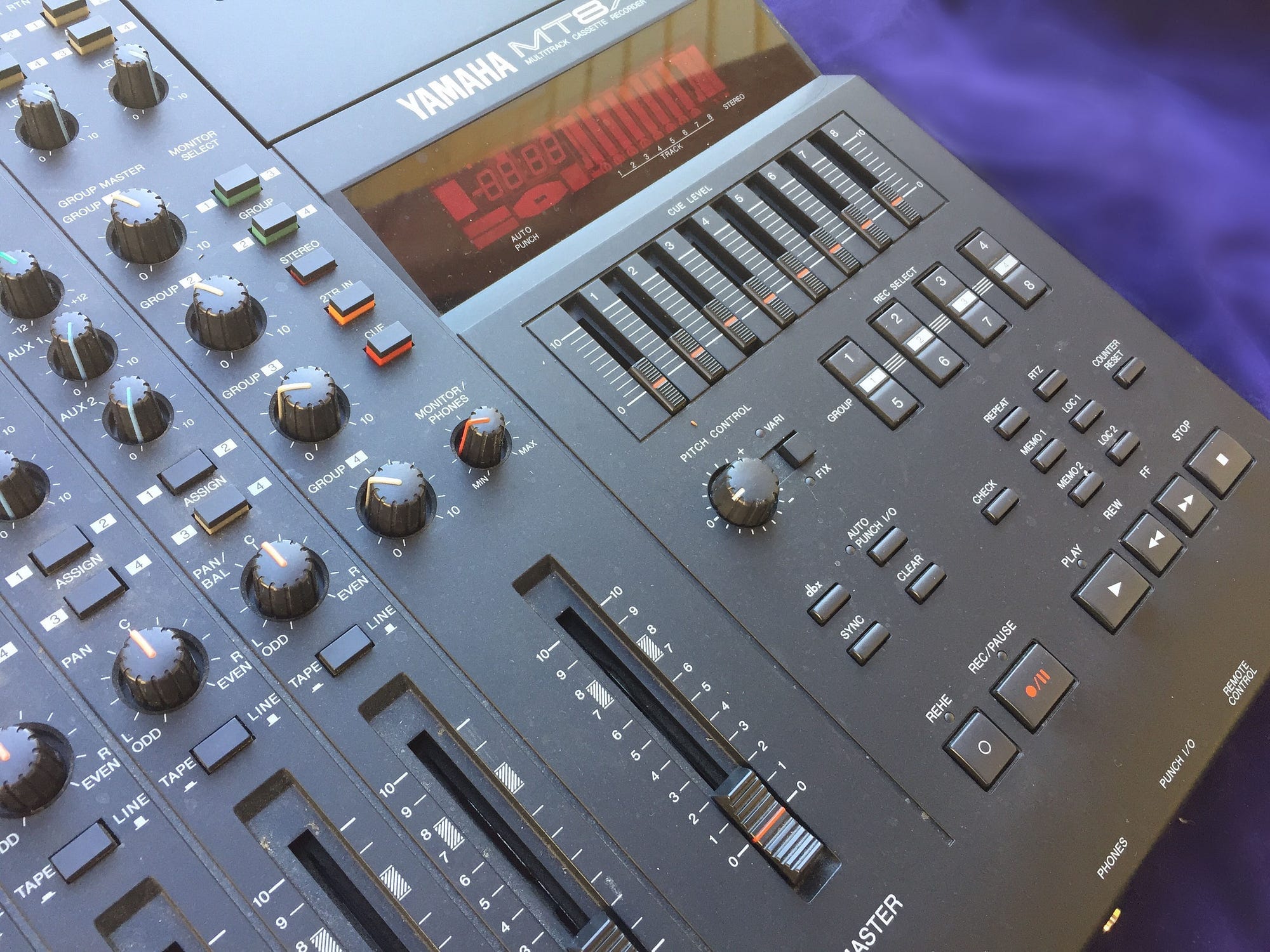
There were at least three distinct incarnations of this song. The first version (listen on SoundCloud), recorded on my Yamaha eight-track analog machine in the mid-90s, was a fragment, a song idea. It included fragments of lyrics that still remain in the first verse, and the word “TV” in the chorus. And I apparently had developed it after listening to way too much Smashing Pumpkins, Siamese Dream.
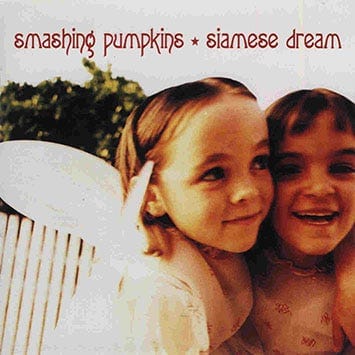
I love the absurd layering of heavily distorted guitars on that record. It’s always been my go-to example for the profound change in the sound of a band when the production is treated as an integral part of the creation process. It’s a radically different sound from its predecessor, Gish. (It was also amazing to hear a modern recording that included an actual Mellotron — such eerie and evocative sound.)
I should also take a moment here to note a huge debt of thanks owed to my friend Hugh, for always keeping me at least somewhat up-to-date with music during the pop-culture Dead Zone that was my stint in Japan. Without him I would have missed Soundgarden, Smashing Pumpkins, Stone Temple Pilots, Weezer, Primus, White Zombie, and likely some other important mainstays of 90s rock.
I was in full-bore Pumpkins-mode in the first eight-track demo of the song — really just a sketch — with absurdly fuzzed-out, double-tracked guitars. And tons of vocal harmony everywhere. Back then, I think I was so excited by the ability to do multi-tracked harmonies that I wanted to throw multiple layers of it on everything, with no real thought to the actual construction of the song.
The second version (listen on SoundCloud), done later on the same eight-track machine back in the States, was much more Alternative/Grunge (hooray, 1990s!), with fuzzy, buzzy guitars, lots of deliberately ugly harmonics, and the obligatory ringing snare drum sound. (Bonk! Bonk! Bonk!)
Also, weirdly, because of my unrelenting diet of Steely Dan at the time, I had Donald Fagen’s sneering, sardonic delivery firmly wedged in my brain. I was intent on creating a song where I could sound as perfectly unpleasant (unpleasantly perfect?) as Fagen does.
Sadly the demo version that survived doesn’t include the vocals, but, grunge noise with a desultory Dan sneer is somehow where that second version ended up. Trust me, it was pretty weird.
Ryde the tyger
By then I had also changed the word “TV” to “3D.”
This is something I started doing pretty early in lyric writing. Taking a word in a line or phrase, and modifying it to be a similar-sounding word that conveys something slightly different, more interesting, or more ambiguous. Somewhat like a ‘mondegreen’ (’Scuse me, while I kiss this guy), but deliberate instead of just mis-hearing the lyric.
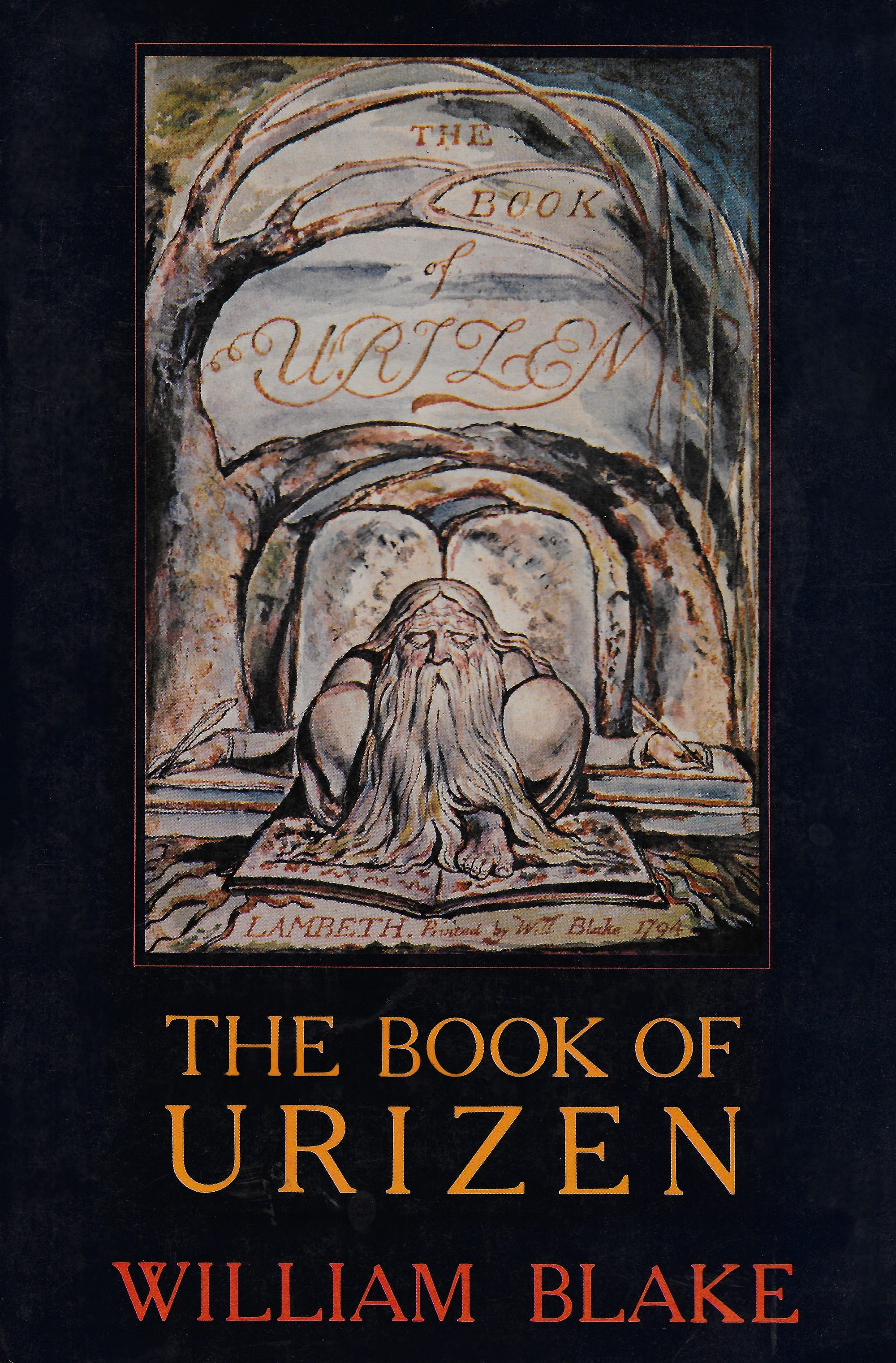
Literary name-check here: William Blake did something similar, but with variant spellings. He would deliberately change spellings of words to suggest alternative interpretations or word-origins. The eternal question — why spell it “tyger,” with a “Y”? Obviously to make it seem more like an “eye.” Or maybe just to make it freakier. He was that kind of guy. (Ronnie James Dio is definitely of the Blake party. It’s obviously Blake’s tiger he’s talking about in “Holy Diver.”)
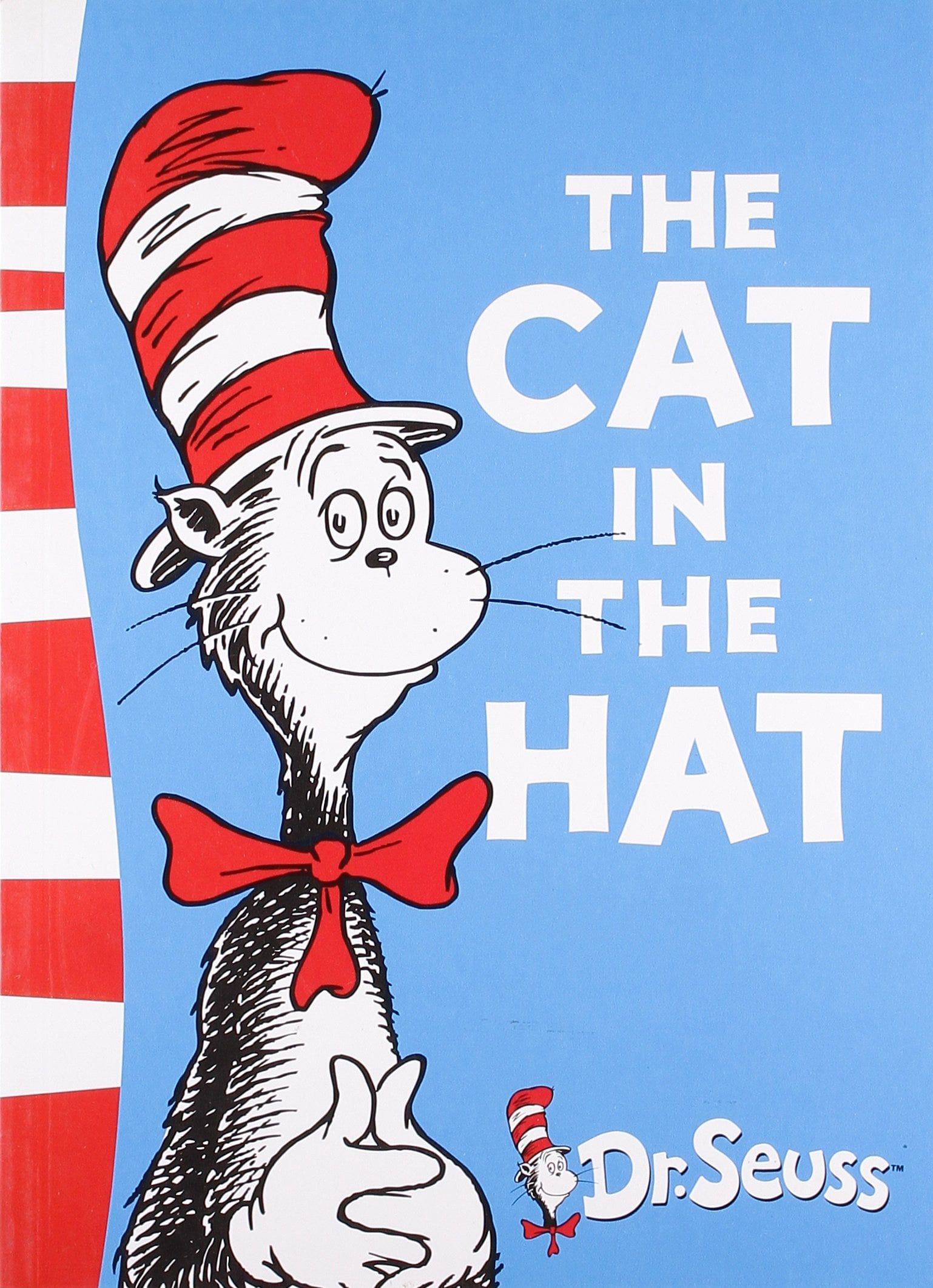
I especially enjoy changes that add or increase alliteration or assonance. It’s easy to overdo it, and things become overly glib and sing-song, like a Doctor Seuss text. (“I know it is wet / And the sun is not sunny / But we can have / Lots of good fun that is funny!”) But to be completely honest I’m not sure I actually know where the boundary is.
(Coincidentally, when I read aloud to my children, back when they were small, The Cat in the Hat was an perennial favorite, and for whatever reason I always ended up using an absurdly exaggerated Donald Fagen voice for the Cat. Try it; it actually works remarkably well.)
In any case, finding clever and unexpected rhymes or sound-matches is a fun challenge, and makes the lines so much fun to sing. (“The faster computer / At last you can mute her.”)
I also find there’s an interesting hypnotic quality to these types of lines. The repetition of sound encourages your brain to stop the explicit processing of meaning, and get a more direct connection to the possible implied meanings or mood.
With this change, the song started me thinking about some broader ideas about the role of money, attention, consumerism, media, and technology in who we are, and who we want to be.
Pretty as a picture
In a nutshell, the central concept is something called verisimilitude, which means “the appearance of being true or real.” The appearance of realness, or, seeming real. Maybe a weird concept initially, but very useful. Used in a sentence: “The period-appropriate details added gave the historical novel some added verisimilitude.”

The phrase “pretty as a picture,” when used for things in the real world, is a great example of this. This expression, “pretty as a picture,” provided … well, easily minutes of hilarity, for my stoner buddies and me, in what we believed was deep insight facilitated by whatever psychedelics we were imbibing. But the fundamentally valid point we were tripping on was this: the picture is not the actual thing — it’s a mere representation of the real thing.
To be fair, we tend to take pictures that document our best moments, our highest achievements — the most intense examples of real-world experiences. Nobody wants to snap a picture of their mediocre hotel room, or a second-rate dinner. So the expression makes sense, but maybe a better way to think of it would be “so pretty, you’d want to take a picture.”
Realer than real
But even beyond simple picking and choosing content (he most gorgeous sunset, the snowiest peak, the most delicious dinner), documenting real-world scenarios, now it is possible, or even trivial, to manipulate media further, in ways that are impossible in the real world: Instagram filters and effects that take verisimilitude into realms that seem even realer than real.
This changes the actual content of what we perceive, so that the expression “pretty as a picture” now really means what it says: “So pretty, it could only exist in a picture.”
In digital media, this has manifested itself in various ways, from ubiquitous CG and the bizarre orange-and-teal color scheme of modern movies, to the Loudness War in the music industry. Everything needs to be bigger, harder, more intense. It needs to pop.
There were some music producers who had a great instinctive understanding of the idea of “realer than real.” One of them was the legendary producer Mutt Lange, who meticulously crafted hit album after hit album, for bands like Foreigner, AC/DC, The Cars, Def Leppard, Bryan Adams, and Shania Twain (whom he married).
Engineer and mixer extraordinaire, Mike Shipley, who frequently worked with Lange, described the thinking this way: “Mutt’s whole thing was, ‘Kids these days don’t want to hear honky little snare drums. They’re all out watching Star Wars and having visual experiences, so let’s make records like that. Rather than going the natural route, let’s make something larger than life!’”
This is where the idea of “the 3D” came from. It’s anything that’s better, realer, more three-dimensional, than the mundane world people live their actual lives in.
The observer effect (not the physics one)
People are actually complicit in this process. To many people, a thing becomes somehow realer, imbued with more verisimilitude than other things — just by virtue of being in a picture, in a movie, or documented in some way, .

This theme is explored in detail in a piece of Modern Fiction I studied for my Lit degree, The Moviegoer, by Walker Percy. It’s still one of my favorite books.
It’s the story of a stockbroker who escapes the everydayness of his normal life by watching movies. The things he experiences vicariously in movies seem more real to him than his real life. (This is not unique — I’m certain a lot of people feel this way.) Just by dint of being in the frame of a movie, or the frame of a picture, and being observed, things seem better, more real, more valid, to him.
I got to enjoy the benefit of a halo effect from this phenomenon — being a white boy in Japan conferred star status on me, just by dint of my resemblance to the people in the more-real-than-real Hollywood movies and TV shows the Japanese people had seen.
This effect was magnified when I was traveling through third-world countries in Asia with my exotic and expensive technological items. The world those people inhabited was so far removed from what they saw in the movies, that they viewed me as some sort of alien, superhuman creature.
We all wonder what it would be like to have been born better looking, more famous, with more money, with better toys — what it would be like to have a richer, more intense, more awesome existence. In short, a life with more verisimilitude than our actual real lives.
Lyrics
Italicized, so you can skip, just like in Lord of the Rings.
Limelight glow
Hope you’re liking the show
Progressing through my routine
Plastic in fact
And silicon stacked
Obsessing with next week’s scenes
Paradise device
In spite of all
It seemed such good advice
Paranoia
Your new toy
And more from us in store
To leave you feeling poor
The man from Channel 4
Will bore you more and more
I am the 3D
And everybody smiles at me
I am the 3D
I can’t care
You stare for free
I am the 3D
I am the 3D
I am the 3D
Unduly you see
Something movie in me
Inside of your tiny screens
The faster computer
At last you can mute her
On all of your social streams
Paradigm
This time you’ll find
It’s new to you
Improved design
Now your earning
Will return
With more from us in store
To leave you feeling poor
The man from Channel 4
Will bore you more and more
I am the 3D
And everybody smiles at me
I am the 3D
I can’t care
You stare for free
I am the 3D
I am the 3D
I am the 3D
Paradox
The box that talks
The dice so nice
The children’s blocks
New tiara
You’re the star
And more from us in store
To leave you feeling poor
The man from Channel 4
Will bore you more and more
I am the 3D
And everybody smiles at me
I am the 3D
I can’t care
You stare for free
I am the 3D
I am the 3D
I am the 3D
Performance notes
I wrote, performed, recorded, (produced, mixed, mastered, etc.) everything you hear in “I Am The 3D.” (Hand claps excepted — my kids helped out there.) I did it with Logic Pro X, on my 12-inch Retina Macbook. Yes, the tiny one with the shitty chicklet keyboard. It’s amazing what modern digital technology can let an ordinary schlub accomplish in their own home.
No pitch-correction employed. Fuck that shit.
One of the most interesting and rewarding parts of this process has been identifying things (specific effects, instrument sounds, techniques) in some of my favorite records that I want to emulate or riff on. It was a blast trying to re-create the things that I’ve loved listening to so much over the years —with my eyes closed and headphones on, digging into the sonic space of the track and trying to guess how it was recorded and mixed.
Here are some notes about these different sounds, effects, or techniques I used in this song.
Multi-layered, high harmonies
Early Boston has this nailed. As my buddy Emil said, in the geekiest possible way, combining 70s rock and Dungeons & Dragons, “Brad Delp always has a Sword of +1 to Hit High Notes.”
Queen, of course, famously did so many ping-ponged layers of vocal harmony on “Bohemian Rhapsody” that the iron oxide was worn off the tape until it was becoming transparent.
And this was during the analog era, so copies of copies were degraded from the original. There was a limit to how many times you could copy something. It’s a testament to their genius and persistence that they were able to assemble such a crazy Baroque arrangement into a rock single with such primitive equipment. (Well, it was state of the art for the day, but they were pushing the envelope in an insane way.)
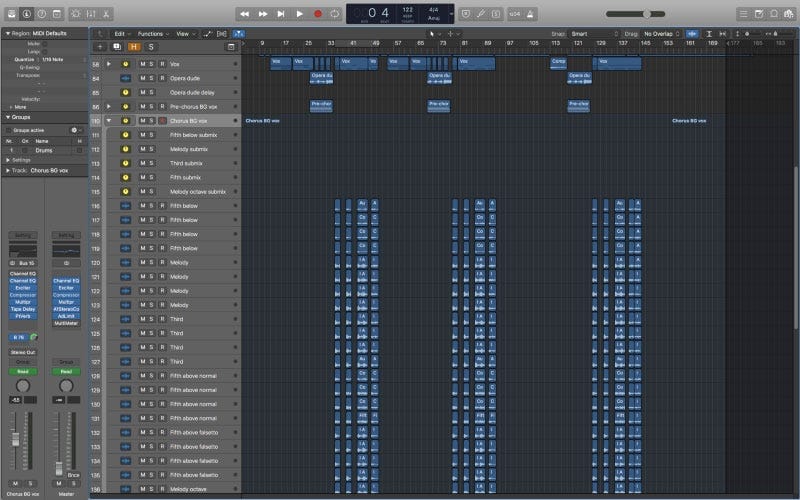
Also, who could forget Sweet? (Okay sadly, a lot of people probably have forgotten Sweet, or never heard of them.) They were all-in with the layer-after-layer of absurdly high harmonies. There’s always something cartoonish about rock at its best (Have you seen the Kiss comic books? How about the Alice Cooper ones?), and crazy high harmonies can contribute in a huge way to that ridiculous, comic-book feel.
And lastly, the pinnacle of 80s layered harmonies — the Def Leppard records during the era of their work with Mutt Lange and Mike Shipley. Also, anything by King’s X and Galactic Cowboys when they worked with Sam Taylor. The Beatles invented that layered sound with songs like “Because,” but these 80s bands and producers/mixers refined it into something beyond human.’
I never achieved the actual Mutt Lange vocal sound (not growly enough), but I did sing “I Am The 3D” enough times to drive my kids and all their friends crazy.
Les Paul with tube amp
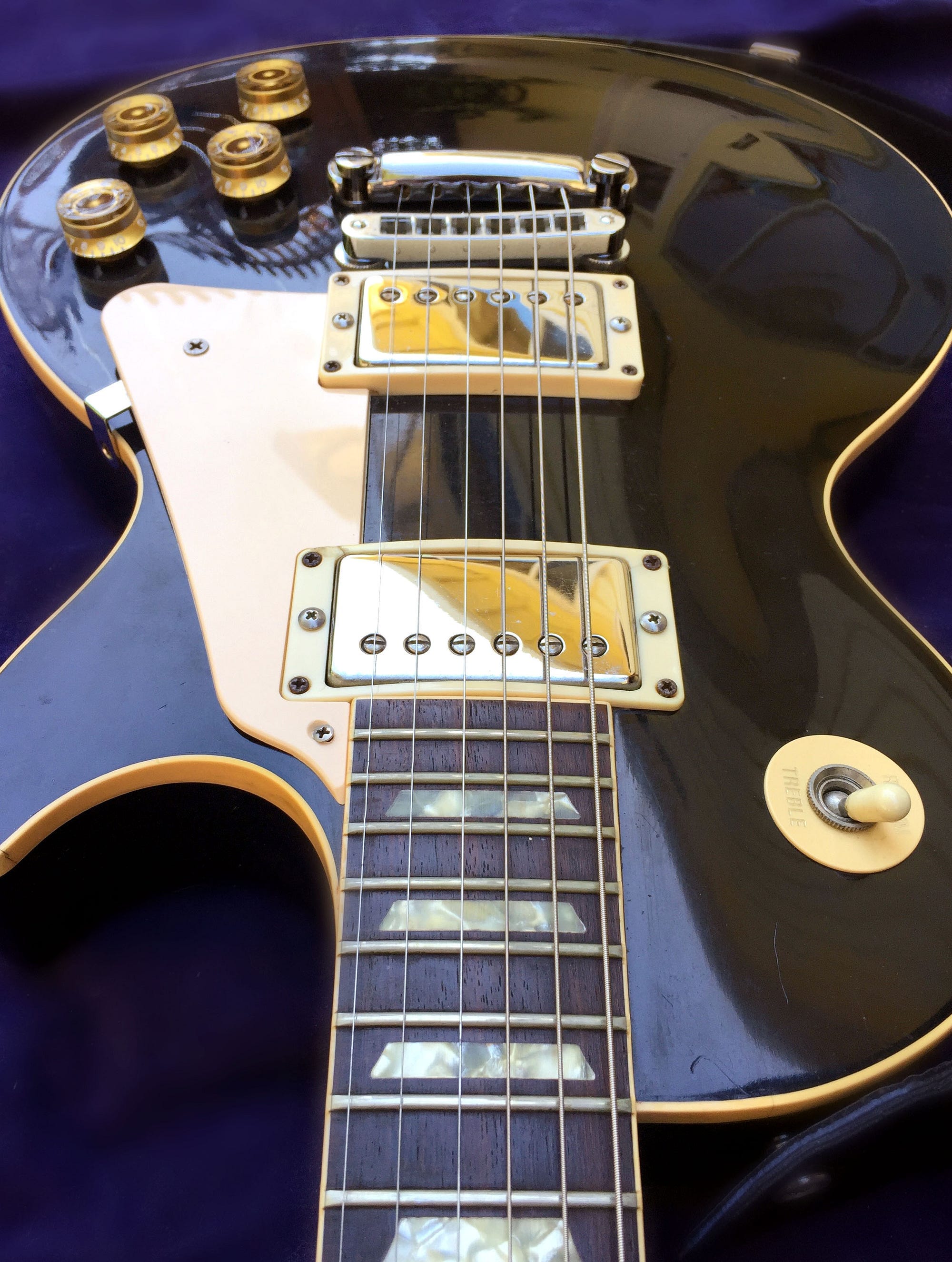
T. Rex is a reference here, for starters: With my Les Paul / I know I’m small / but I enjoy living anyway. I’ve had this Les Paul Standard since the 90s, and I’ve never heard a warmer tone than this Les through a real tube amp. Modern digital amp modelers are pretty magical in the variety of tones they can produce, but still sound pretty brittle to my ears, and no match for real tubes.
Harmonized guitar-solo extravaganza
Again with the Boston. You can’t hear a harmonized guitar solo without thinking of Tom Scholz’s ground-breaking stuff. He invented that sound.
In fact, the melody for my harmonized solo in “3D” initially echoes the solo from “More Than A Feeling,” and then departs into its own multi-layered thing.
Brian May was another huge pioneer of harmonized solos, even sometimes harmonizing with himself using digital delay. “There’s something about three parts, in harmony,” as he says.
Weird chord voicings
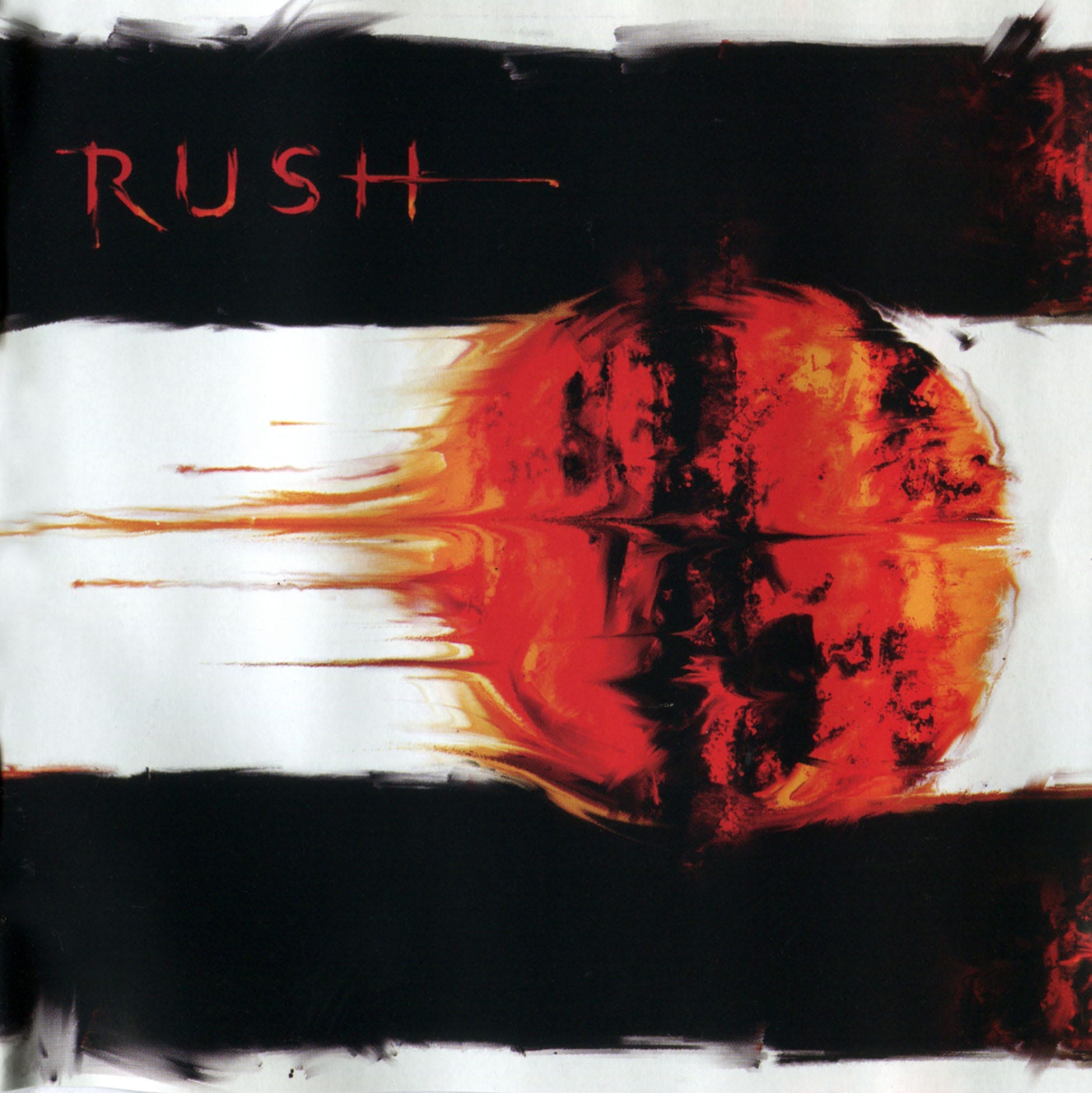
Most people wouldn’t put Caress of Steel at the top of their list of Rush albums. (In one interview, Alex referred to it as “refrigerator drawings,” and Geddy copped to all three of them being “pretty high” when making it.) But it holds a special place in my heart.
For the verse here I used something very similar to the chord progression in he verse for the “Bacchus Plateau” section of “The Fountain of Lamneth,” which I always thought was an interesting example of using altered chords to create a single-note melody that travels through a set of chord changes.
Ostentatious drum solo
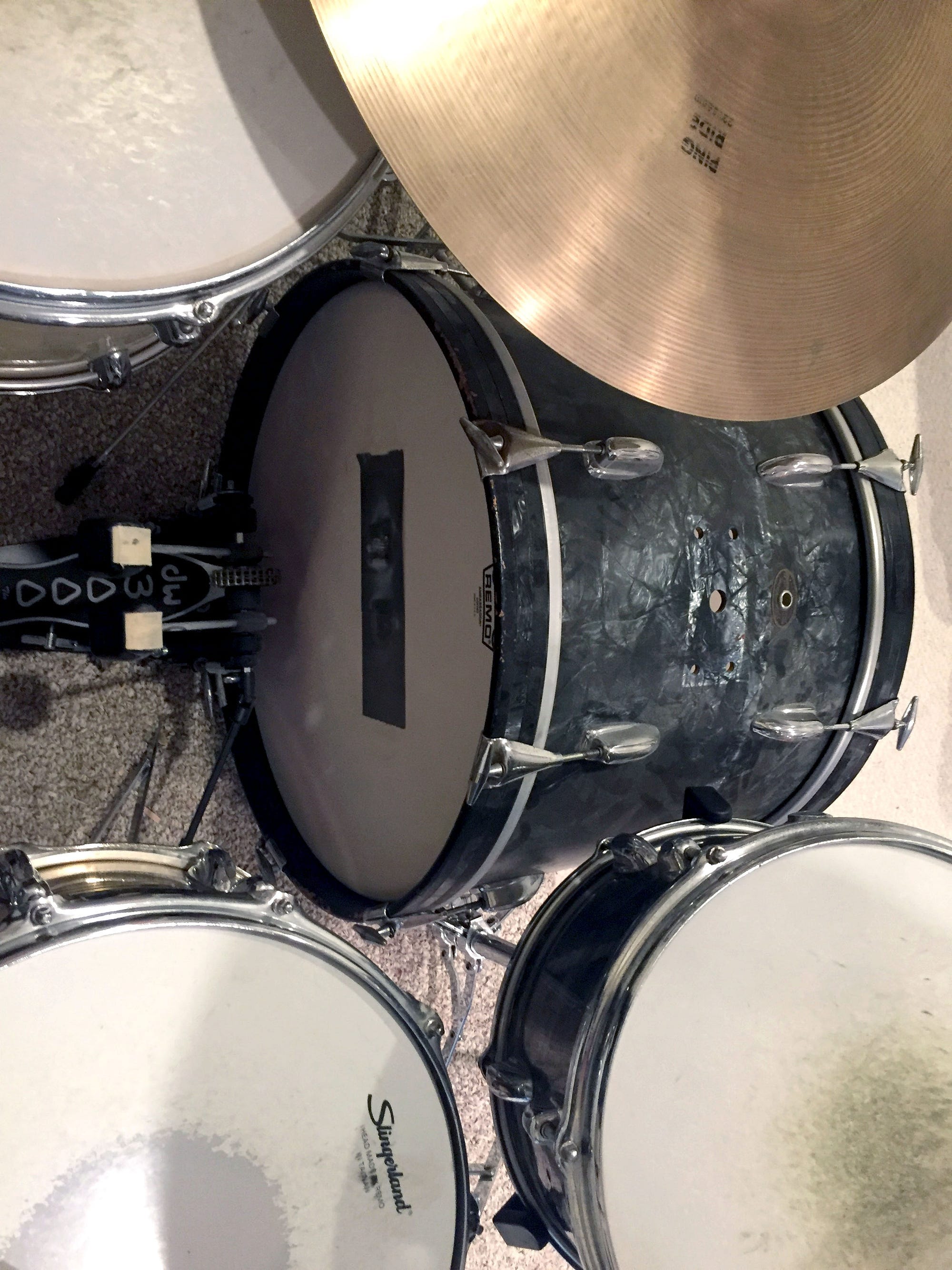
In the end, I had very limited time for writing the various parts, and my own obsessive-compulsive desire to have consistency ultimately meant keeping the drums really simple. I’m hoping to get a better grip over this particular monkey on my back, on the next song.
To be fair, I have always said that drums should serve the song, not your desire as a drummer to be noticed — but having learned to play drums largely by listening to Neil (me and thousands of other disaffected teenage drum-dorks), I felt I would be letting my high-school self down if I didn’t showboat at least a little. The consummate insane-but-still-radio-friendly drum solo is of course, “Tom Sawyer” (Steely Dan’s “Aja” is a close second) and I am deliberately aping Neil’s iconic double-kick work in my solo during the final pre-chorus.
Heavily compressed, early-reflection reverb drum sound
More Boston here (only up to the album Don’t Look Back; it’s all garbage after that. Tom, I know you want your guitar to be all encompassing, but you can only crush the drums so much before they start sounding like toys.) That polished snare sound was initially what I was shooting for, but somehow ended up with a much more crushed sound, something closer to Tommy Lee, circa Shout at the Devil. Not necessarily a bad thing — and it was a fun attempt to use parallel compression.
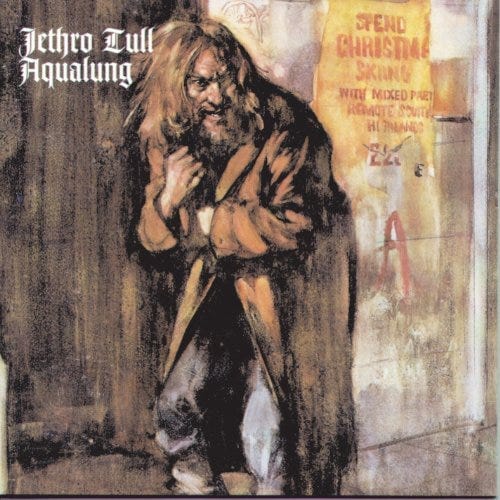
A slight tangent here to mention the ‘biscuit tin’ drum sound from certain early 70s classics (just ask Ian Anderson), or worse, grossly mismanaged drum recording like Badmotorfinger. It sounds like the drum heads are made out of Big Chief notebook paper. (Showing my age here — do y’all even know what that is?) Such a sad distraction from an otherwise stellar recording.
While I’m at it, I’ll issue some major drum-recording demerits to Toto’s Turn Back album. Those are literally the worst-recorded drums I’ve ever heard, on any album. Apparently a lot of it was recorded with them live-playing together as a band, but shit, that doesn’t mean it has to sound like it was captured on someone’s portable cassette player.
Tambourine
During riff sections and choruses, à la Boston, Don’t Look Back.
Also a staple in a lot of songs by the Cult. You look like a total dork playing tambourine in a band, but somehow Ian Astbury manages to make it cool.
Hand claps
They’re more of an accessory than the centerpiece, but they’re in there. Nothing says “rock-and-roll party” like hand claps in a song. Boston is again the obvious point of reference here.
Also, if you’ve ever listened to any T.Rex, you might be familiar with the way Tony Visconti used them to thicken up a beat, and make a produced rock-and-roll sound more organic.
My kids performed the claps for me on this song. They were all eye-rolls and head-shakes at first, but I eventually got them lined up and clapping in time. (They all play drums, so the timing wasn’t the problem. It was getting them to take it serious, for fuck’s sake!) It wasn’t exactly a rock-and-roll party, but they humored their doofus dad, and it turned out pretty awesome.
Pedal keyboard parts
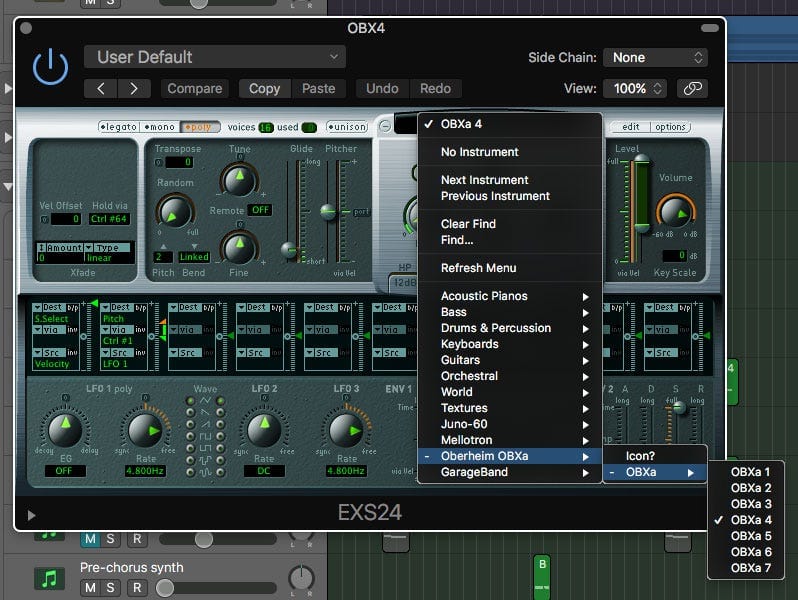
If you listen carefully, you can hear a vintage Oberheim OBX sample playing a single-note keyboard wash during the chorus. It’s very, very much wanting to be Geddy’s Taurus pedal during the chorus of “The Spirit of Radio.”
Analog synths with an LFO sweep
The sweet, sweet 80s LFO sweep. Notably employed in songs like Rush’s “Tom Sawyer,” and Van Halen’s “1984.” (Also heavily featured on the title track of Alice Cooper’s Fairlight extravaganza, the 1983 album Dada.) I felt it would go well with the dissonant chords of the bridge on “3D,” and it seemed to work perfectly. If you know the sound, you know the sound.
Deliberately weird, but sonically playful lyrics
T. Rex again: Telegram Sam, Telegram Sam / You are my main man. It’s just plain fun to sing weird, obscure shit. Anything and everything by the Cult could easily fall into this category.
It’s not a battle between the Dionysian and the Apollonian, but give me some time to ramp up here.
Sound effects
The broken-glass sound, as in the post-solo section of “YYZ.” (Apparently they actually tied a wind-chime to a two-by-four and whacked a piece of plywood to achieve that sound.) What I ended up with in the guitar-solo section of “3D” ends up sounding a bit more like the iconic sample from the Fairlight CMI, but it’s still a pretty cool effect.
The ticking clock in the small interlude before the drum solo is a fun effect, referencing Pink Floyd’s “Time,” off The Dark Side Of The Moon. Floyd used real alarm clocks in the intro, but the time-keeping in the actual song is clearly a synth made to sound like a ticking clock. I wanted to use a real clock — at 122 BPM, this song is just ever so slightly faster than the ticking of a real clock, so it was a great fit.
Lastly, the buildup before the interlude was originally an attempt to emulate the wub-wub-wub from Rush, “Natural Science,” off Permanent Waves. (Not to be confused with the dubstep “wub.”) In that song, it provides a cool effect right before the introduction of the main 7/8-time theme.
Unfortunately the sort of overflow protection that exists in digital effects meant I couldn’t find a way to create a ping-pong reverb with an overloading feedback loop. I actually got relatively close, but eventually added an audio loop of my friend Dale on top, so it’s a bit masked. I still really like the overall effect.
Sardonic vocal delivery
The Steely Dan obsession was baked in during the second demo of the song, and I was never able to exorcise it. (And why would you want to, really?) I found myself indulging in Fagen’s sneering over-pronunciation in specific places: “I can’t care, you stare for free.” It pops out in multiple places in the song, and it certainly fits the sardonic mood.
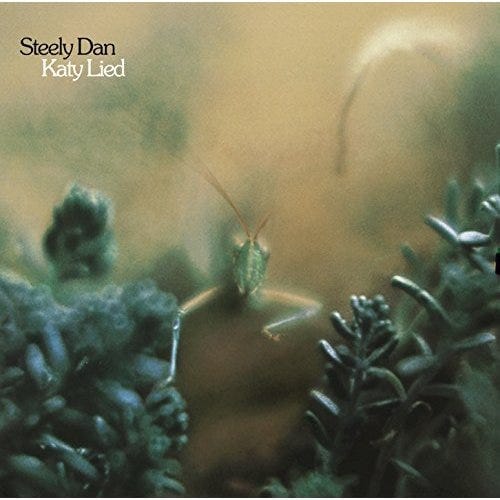
This song doesn’t include the roster of sketchy characters and the freaky situations you might find in a Dan song, but it does have Becker’s delicious juxtaposition of gleefulness and bitterness.
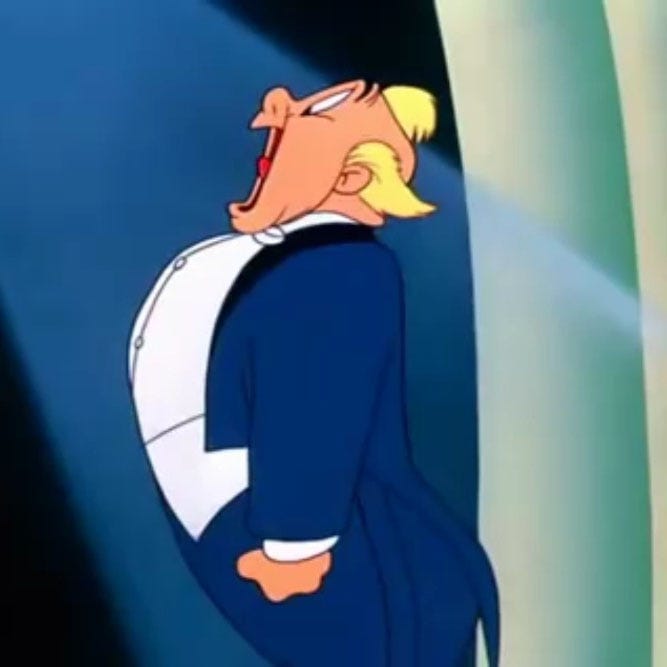
Operatic histrionics
This is a Queen reference. This is the only track from the demo/scratch version that made it all the way to the end of recording, mixing, mastering. I’m not even sure why I initially added it — it’s just so silly, but it fits so perfectly.
To me it ended up feeling similar to that high, hanging-on note in Bohemian Rhapsody sung by Roger Taylor (“Let him go-o-o-o-o-o-o-o-o-o!”), but with the delivery of the opera singer from the Bugs Bunny cartoon.
In the end
If you actually made it this far, I salute you. Reading something this long and meandering requires a ton of patience.
“I Am The 3D” was a similar exercise in patience. I kept thinking I was “almost done” (Cargill’s Ninety-Ninety Rule of software development could cover this sort of song production as well), and what I assumed would take weeks stretched into months.
Working on this song was a blast. I learned so much about modern digital recording, mixing, and mastering, and got to incorporate a lot of awesome sounds from the music I grew up with. The technology we have now is kind of unbelievable, and it’s amazing to imagine sounds, motifs, ideas in my head, and be able to bring them pretty faithfully to life with such modest equipment and budget.
I’m sure I took far more time than is reasonable on this song, and I’ll probably do the exact same thing on the next one.